Introduction: Building a Long-Term Vehicle Maintenance Strategy for Reliability and Performance
Keeping vehicles running efficiently year-round requires more than occasional repairs or emergency maintenance. Every vehicle—whether it is a daily commuter car, work truck, RV, or recreational utility vehicle—depends on consistent care to remain safe, reliable, and cost-effective over time. When maintenance is delayed, small issues often become expensive mechanical failures that affect performance, fuel efficiency, and overall vehicle lifespan.
Preventative maintenance is one of the most effective ways to reduce long-term ownership costs. Routine inspections help identify worn parts, fluid issues, tire problems, and electrical concerns before they create major breakdowns. Consistent maintenance also improves driving safety while reducing the likelihood of expensive roadside emergencies.
Modern vehicles experience significant stress throughout the year. Extreme temperatures, rough road conditions, stop-and-go traffic, towing demands, and heavy cargo loads all contribute to gradual wear. Seasonal weather changes also affect batteries, tires, suspension systems, and braking performance, making year-round maintenance even more important.
Vehicle protection involves more than engine care alone. Exterior protection, storage upgrades, charging systems, and preventative inspections all contribute to long-term reliability and value retention. Drivers who take a proactive approach to vehicle care often experience fewer repairs, lower operating costs, and stronger resale value.
Another important factor is organization. Maintenance schedules, service records, and preventative inspections help owners manage multiple vehicles more effectively while avoiding missed service intervals. Coordinated maintenance also improves long-term budgeting by reducing the likelihood of sudden repair expenses.
This guide explores practical strategies for maintaining cars, trucks, RVs, and utility vehicles throughout the year. By combining preventative maintenance with strategic upgrades and seasonal planning, vehicle owners can improve reliability, safety, efficiency, and long-term value while reducing unnecessary downtime and repair costs.
Identify Mechanical Problems Early Before They Become Expensive Repairs
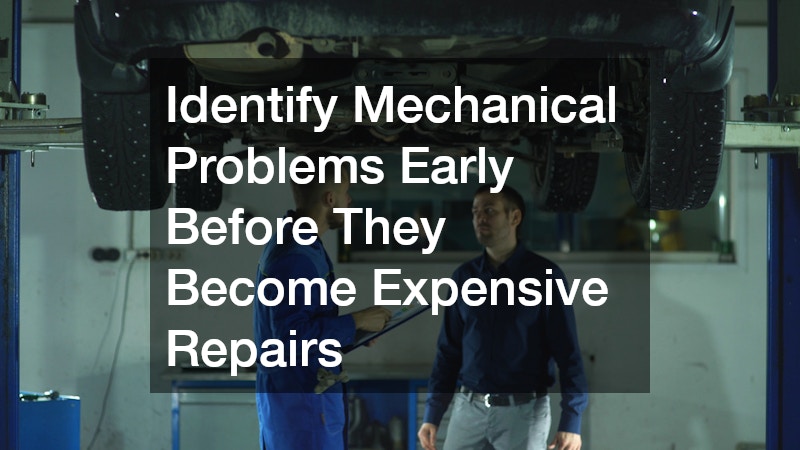
Routine inspections are one of the best ways to prevent expensive breakdowns and improve vehicle reliability. Small mechanical issues often develop gradually, making them easier and less expensive to repair when identified early.
An experienced automotive service technician can evaluate key systems and identify warning signs before failures occur. Modern vehicles contain complex electrical, computerized, and mechanical systems that require professional diagnostics and specialized knowledge.
Common warning signs drivers should never ignore include:
- Unusual engine noises
- Vibrations while driving
- Warning lights on the dashboard
- Fluid leaks beneath the vehicle
- Reduced fuel efficiency
Prompt auto repairs help prevent damage from spreading to additional components. Delaying maintenance often increases repair costs because worn or failing parts place additional strain on surrounding systems.
Routine preventative inspections typically include:
- Fluid level and condition checks
- Brake and suspension inspections
- Battery testing
- Tire wear evaluations
- Belt and hose inspections
Drivers should also pay attention to changing vehicle performance. Reduced acceleration, rough idling, or steering difficulties often indicate developing mechanical concerns.
Additional maintenance habits that improve long-term reliability include:
- Following manufacturer service intervals
- Addressing warning lights immediately
- Monitoring tire pressure regularly
- Replacing filters and fluids on schedule
Working consistently with qualified repair professionals also improves maintenance planning and helps drivers build accurate service histories that support long-term resale value.
Maintain Smaller Utility and Recreational Vehicles for Better Reliability
Golf carts and utility vehicles may appear simple compared to passenger cars, but they still require routine maintenance to remain safe and dependable. These vehicles often operate in residential communities, recreational areas, resorts, campgrounds, and commercial properties where daily use creates gradual wear on important systems.
Professional golf cart services help owners maintain batteries, steering systems, tires, brakes, and electrical components before breakdowns occur.
Battery care is one of the most important aspects of utility vehicle maintenance.
Proper battery maintenance includes:
- Charging batteries fully after use
- Cleaning corrosion from terminals
- Monitoring water levels when applicable
- Avoiding long-term storage without charging
Tire and suspension maintenance also affects safety and ride quality. Uneven tire wear often signals steering or alignment concerns that should be addressed promptly.
Common maintenance areas include:
- Brake inspections
- Steering component lubrication
- Tire pressure adjustments
- Suspension evaluations
- Electrical system testing
Seasonal storage practices are especially important in colder climates. Vehicles stored improperly during winter months often experience battery failure, corrosion, and tire damage.
Recommended storage practices include:
- Keeping vehicles in dry covered areas
- Disconnecting batteries during long-term storage
- Inflating tires properly before storage
- Cleaning dirt and moisture from surfaces
Routine preventative maintenance extends vehicle lifespan while reducing unexpected repair expenses.
Upgrade Trucks for Better Protection, Storage, and Daily Functionality
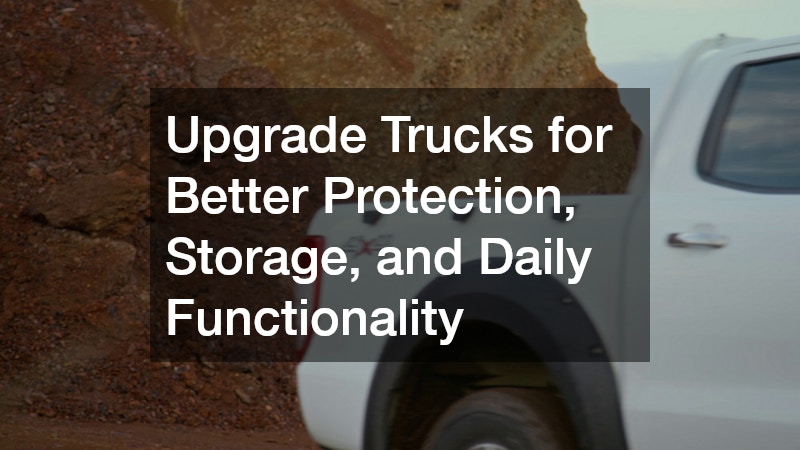
Truck owners often rely on their vehicles for hauling equipment, towing trailers, transporting tools, and managing demanding workloads. Strategic upgrades improve both protection and daily functionality while helping trucks remain organized and efficient.
Popular truck accessories include storage systems, towing enhancements, lighting upgrades, and cargo management solutions. These additions improve convenience while helping owners protect equipment and reduce wear.
One of the most practical upgrades is a truck bed cover. Bed covers protect cargo from weather, road debris, and theft while also improving overall vehicle appearance.
Benefits of bed covers include:
- Improved cargo security
- Reduced exposure to moisture and debris
- Better organization for tools and equipment
- Enhanced aerodynamic efficiency
Truck owners should choose upgrades based on their specific needs and usage patterns.
Common functional upgrades include:
- Bed liners for cargo protection
- Toolboxes for organization
- Tow hitches and towing accessories
- Running boards and step systems
Aftermarket additions should always be installed properly to avoid unnecessary strain on electrical or structural systems.
Preventative maintenance considerations after modifications include:
- Inspecting mounting hardware regularly
- Monitoring electrical connections
- Checking weight distribution and suspension performance
- Cleaning protective surfaces regularly
Balancing functionality with durability helps truck owners maximize both performance and long-term vehicle protection.
Prepare Heavy-Duty Work Vehicles for Demanding Jobs and Conditions
Heavy-duty equipment is essential for many construction, landscaping, and hauling projects. In some situations, a dump truck rental is more practical and cost-effective than long-term ownership, especially for short-term or seasonal projects.
Before operating rented equipment, users should conduct thorough inspections to ensure safe and efficient performance.
Important inspection areas include:
- Tire condition and inflation
- Hydraulic system functionality
- Brake performance
- Fluid levels and leaks
- Lighting and safety equipment
Heavy-duty vehicles experience significant strain during hauling operations. Overloading equipment increases wear on brakes, suspension systems, and drivetrains while also creating safety risks.
Best practices for reducing excessive wear include:
- Following load capacity guidelines
- Distributing weight evenly
- Avoiding aggressive driving on rough terrain
- Monitoring tire pressure regularly
Weather conditions also affect heavy-duty vehicle operation. Wet, icy, or uneven surfaces increase traction and stability concerns.
Additional safety recommendations include:
- Conducting pre-trip inspections daily
- Cleaning debris from vehicle components regularly
- Monitoring hydraulic systems during operation
- Ensuring proper visibility during loading and unloading
Proper planning and preventative care improve equipment reliability while reducing downtime and repair expenses.
Handle Unexpected Breakdowns Safely and Efficiently
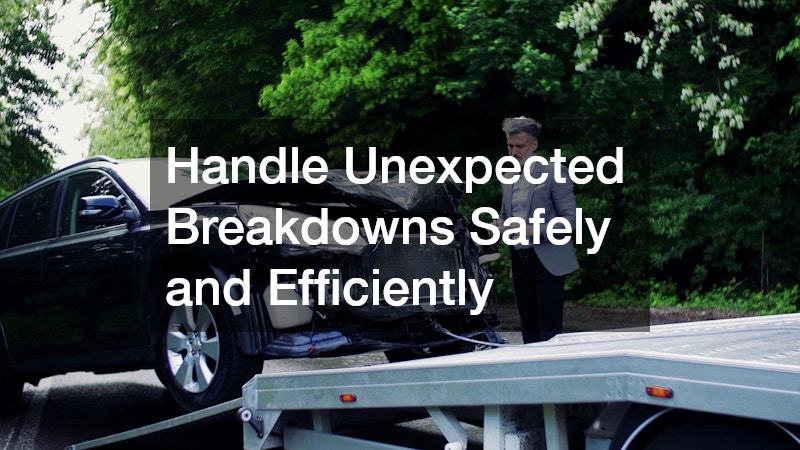
Even well-maintained vehicles may occasionally experience unexpected mechanical problems. Knowing how to respond safely during a roadside emergency can reduce additional damage and improve driver safety.
Professional tow truck services help transport disabled vehicles safely when roadside repairs are not practical.
Situations that commonly require towing include:
- Engine failure
- Transmission problems
- Brake system malfunctions
- Flat tires without safe replacement options
- Collision-related damage
Drivers should prioritize safety immediately after a breakdown occurs.
Important safety steps include:
- Moving the vehicle to a safe location if possible
- Activating hazard lights
- Remaining clear of traffic lanes
- Using warning triangles or flares when appropriate
Emergency preparedness kits are also valuable for roadside situations.
Recommended emergency supplies include:
- Flashlights and batteries
- Jumper cables
- Tire pressure gauges
- Basic first aid kits
- Portable phone chargers
Preventative maintenance remains the best defense against roadside emergencies. Routine inspections reduce the likelihood of sudden failures while improving long-term reliability.
Improve Charging Efficiency and Battery Performance for Modern Vehicles
Electric vehicles continue growing in popularity, making charging efficiency and battery maintenance increasingly important topics for vehicle owners. Charging habits directly influence battery lifespan, driving range, and long-term vehicle performance.
Properly installed electric vehicle charging stations improve convenience while supporting more efficient charging practices.
Home charging systems offer several benefits, including:
- Faster charging times
- More predictable charging schedules
- Reduced dependence on public charging infrastructure
- Better overnight charging convenience
Battery health depends heavily on consistent charging habits.
Best practices for extending battery lifespan include:
- Avoiding frequent deep battery depletion
- Maintaining moderate charge levels when possible
- Reducing excessive fast-charging sessions
- Protecting vehicles from extreme temperatures
Cold weather can temporarily reduce battery performance and charging speed. Hot weather may also increase battery strain during heavy usage.
Additional charging efficiency tips include:
- Parking in temperature-controlled areas when possible
- Scheduling charging during off-peak utility hours
- Keeping charging connectors clean and protected
- Monitoring software updates related to battery management systems
Proper charging habits improve efficiency while helping electric vehicle owners maximize long-term battery performance.
Maintain RV Systems for Reliable Travel and Long-Term Durability
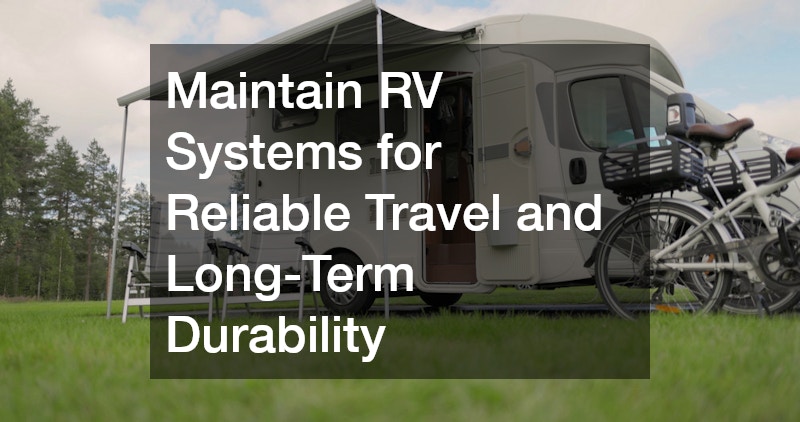
Recreational vehicles combine automotive systems with residential-style plumbing, electrical, and climate systems, making preventative maintenance especially important. Long trips, weather exposure, and seasonal storage all contribute to wear throughout the vehicle.
Routine rv repairs help owners address small issues before they interfere with travel plans or create expensive structural damage.
Common RV maintenance concerns include:
- Roof leaks and moisture intrusion
- Tire and suspension wear
- Plumbing system leaks
- Electrical connection problems
- Appliance malfunctions
Roof inspections are particularly important because water intrusion can damage insulation, flooring, and interior materials quickly.
Preventative maintenance recommendations include:
- Inspecting roof seals regularly
- Cleaning and resealing exterior seams
- Monitoring tire condition and inflation
- Testing plumbing and water systems before travel
Seasonal storage preparation is also critical for long-term RV durability.
Recommended storage practices include:
- Winterizing plumbing systems
- Disconnecting batteries during storage
- Covering exposed tires
- Managing humidity levels inside the RV
Drivers should also conduct pre-trip inspections before every major journey.
Important inspection areas include:
- Brake performance
- Trailer hitch and towing connections
- Exterior lighting systems
- Generator operation
- Propane system safety
Consistent maintenance improves travel reliability while helping owners avoid costly breakdowns during trips.
Dispose of Aging Vehicles Responsibly and Recover Remaining Value
Eventually, repair costs may exceed a vehicle’s remaining value. When this happens, responsible junk car recycling provides both environmental and financial benefits.
Vehicle recycling helps recover valuable materials such as:
- Steel and aluminum
- Batteries and fluids
- Rubber components
- Electronic systems
Signs that recycling may be the most practical option include:
- Severe structural rust or corrosion
- Repeated major mechanical failures
- Unsafe operating conditions
- Excessive repair costs compared to vehicle value
Before recycling a vehicle, owners should:
- Remove personal belongings
- Gather ownership documents
- Cancel insurance and registration
- Remove valuable aftermarket equipment if desired
Recycling older vehicles also reduces environmental waste by allowing usable materials to be repurposed instead of discarded in landfills.
Additional environmental benefits include:
- Reduced manufacturing energy consumption
- Safe disposal of hazardous fluids
- Recovery of reusable metals and components
- Reduced landfill waste
Responsible recycling allows owners to recover some remaining value while supporting more sustainable resource management.
Conclusion: Creating a Safer, More Reliable, and More Efficient Vehicle Ownership Experience
Keeping vehicles running efficiently year-round requires consistent attention, proactive maintenance, and thoughtful planning. Every vehicle type—whether a passenger car, truck, RV, golf cart, or heavy-duty work vehicle—depends on reliable systems working together to support safety, performance, and long-term durability. When maintenance is neglected, small issues often become expensive repairs that reduce reliability and increase ownership costs.
One of the most important lessons vehicle owners can apply is the value of prevention. Routine inspections, seasonal maintenance, and strategic upgrades help identify wear early before serious breakdowns occur. Addressing problems quickly not only improves safety but also extends vehicle lifespan and reduces unexpected downtime.
Protective upgrades and organized maintenance routines also provide long-term benefits. Cargo protection systems improve truck functionality, charging management improves electric vehicle efficiency, and preventative RV maintenance reduces travel disruptions. Together, these strategies create a more reliable and enjoyable ownership experience.
Organization and financial planning are equally important. Seasonal maintenance schedules, dedicated repair budgets, and detailed service records help owners manage multiple vehicles more efficiently while reducing financial surprises. Coordinated maintenance also improves long-term resale value by demonstrating responsible ownership and preserving vehicle condition.
Ultimately, maintaining vehicles year-round is not simply about preventing breakdowns. It is about protecting long-term value, improving safety, and ensuring reliable performance in every season and driving condition. By combining preventative maintenance with strategic upgrades and careful planning, vehicle owners can reduce repair costs while enjoying safer, more dependable transportation for years to come.
