In today’s fast-paced world, vehicles play a vital role across a wide range of industries, moving people, equipment, and materials efficiently to keep businesses operating smoothly. From construction sites to law offices and industrial service operations, the right vehicles ensure that projects are completed on time, resources are delivered where needed, and services reach clients reliably. Understanding how vehicles impact each sector provides insight into the often-overlooked logistical backbone that keeps modern industries rolling forward.
Construction projects, for example, rely heavily on vehicles to transport essential tools and materials. Simple items, such as skin adhesive tape, require proper distribution across worksites to support tasks ranging from minor repairs to major structural applications. Vehicles ensure that these supplies are delivered efficiently, reducing delays and improving workflow. Similarly, training programs for skilled trades, such as welder training, depend on mobile resources to bring instructors, trainees, and equipment together at various locations. Without reliable transportation, these programs would struggle to meet the needs of students and industry standards alike.
Commercial operations, such as asphalt paving and industrial fabrication, also hinge on the ability to move materials and equipment safely. Commercial asphalt contractors use vehicles to transport asphalt, machinery, and crew members, while rebar fabrication requires careful coordination of heavy materials with specialized vehicles for delivery. In sectors beyond construction, vehicles remain equally indispensable. Bankruptcy lawyers and other legal professionals depend on transportation for client meetings, court appearances, and document delivery.
Even essential services such as bookkeeping and local propane delivery benefit from dependable vehicles. Across all these industries, vehicles serve as the central link between people, materials, and operations, highlighting their indispensable role in modern business.
In this article, we explore how vehicles support a diverse array of industries—from construction and law to industrial services—through ten specific lenses. Each section delves into a unique aspect of industry operations, illustrating the importance of mobility, logistics, and efficiency in maintaining productivity and delivering exceptional service.
Transport Skin Tape
Vehicles play a crucial role in transporting essential supplies across construction sites, and skin adhesive tape is no exception. This seemingly simple material is used extensively for repairs, safety markings, and protective applications on jobsites. Ensuring it reaches the right locations at the right time is vital for maintaining project efficiency and avoiding costly delays. Vehicles equipped for quick delivery can streamline the movement of tape, allowing crews to access it exactly when and where they need it, which supports smoother operations across multiple areas of a construction project.
In practice, the transportation of skin adhesive tape often involves smaller utility vehicles, vans, or trucks capable of carrying multiple pallets and keeping inventory organized. Crew supervisors rely on these vehicles to distribute tape to various departments efficiently, ensuring no team experiences shortages during critical stages of work. By using vehicles to maintain a steady supply chain for materials like skin adhesive tape, construction managers can prevent downtime and maintain high safety and productivity standards.
Train Welders Fast
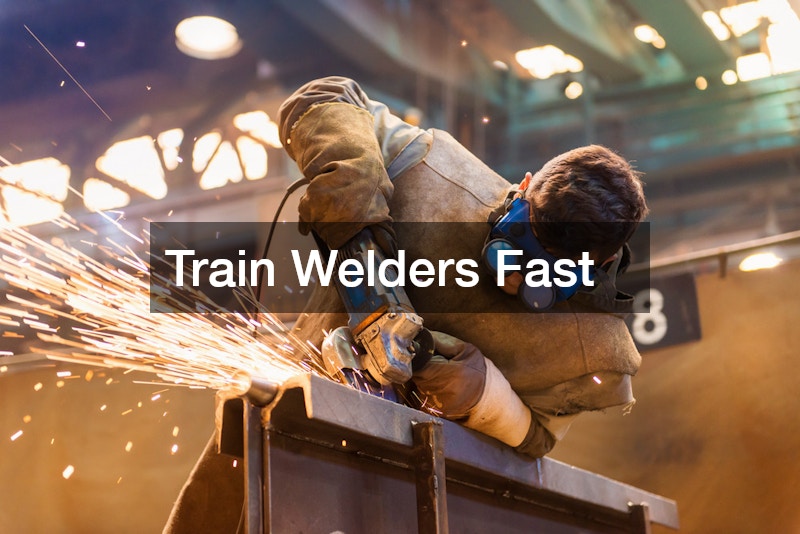
The welding industry requires highly skilled professionals who are trained to operate safely and efficiently. Welder training programs frequently rely on vehicles to transport instructors, trainees, and heavy equipment to different training sites, especially when programs are offered across multiple locations. Vehicles ensure that mobile welding labs or portable training stations are set up quickly, allowing participants to gain practical experience without interruptions. This logistical support is essential for maintaining the pace and quality of training sessions in a competitive industry.
Specifically, vehicles help move welding machinery, safety gear, and consumables to locations where training is scheduled. For instance, mobile vans or trucks equipped with welding setups can bring a fully functional workshop to schools, community centers, or industrial sites. This reduces the need for participants to travel long distances and allows trainers to reach more students efficiently. By integrating vehicles into welder training programs, educational organizations can expand access, streamline operations, and ensure that aspiring welders receive hands-on experience with minimal delays.
Move Asphalt Loads
Commercial asphalt contractors depend heavily on vehicles to transport asphalt, heavy machinery, and crews to various project sites. Timely delivery is critical because asphalt needs to be laid while it’s still hot, and delays can compromise both safety and quality. Vehicles serve as the backbone of asphalt operations, ensuring that all materials arrive intact and ready for immediate use. Without reliable transportation, even well-planned paving projects can face disruptions that impact budgets and deadlines.
On a specific level, asphalt projects often require specialized dump trucks and flatbed vehicles designed to handle hot asphalt and other materials safely. These vehicles must navigate construction zones efficiently while maintaining precise timing to match project schedules. Crew members also rely on these vehicles for commuting to sites, coordinating tasks, and moving essential tools. By leveraging vehicles for logistics, commercial asphalt contractors can maintain continuous workflows, minimize waste, and meet the rigorous demands of urban and highway paving projects.
Serve Legal Clients

Vehicles also have a notable impact on the legal sector, particularly for bankruptcy lawyers who must frequently meet with clients, attend court hearings, and deliver important documents. Reliable transportation ensures that legal professionals can reach multiple clients across a city or region in a timely manner, providing efficient service and maintaining trust. In a profession where timing and accessibility can significantly affect outcomes, vehicles are an indispensable asset for lawyers.
More specifically, a bankruptcy lawyer may rely on personal or firm-owned vehicles to visit clients facing urgent financial situations or to transport sensitive documents securely between offices and courts. Vehicles allow lawyers to manage multiple appointments in a single day, increasing productivity while preserving a professional standard of service. By integrating transportation planning into their workflow, bankruptcy lawyers can better serve clients and respond quickly to time-sensitive legal matters.
Deploy Engineering
Structural engineering firms require mobility to deliver expertise to construction sites, oversee projects, and collaborate with contractors. Vehicles allow engineers to carry essential tools, software, and reference materials directly to worksites, enhancing the accuracy and efficiency of inspections and design implementation. By having the ability to deploy personnel quickly, firms can maintain project schedules, address unforeseen challenges, and provide immediate technical guidance.
Specifically, vehicles enable structural engineering teams to transport survey equipment, safety gear, and technical drawings efficiently. For large-scale projects, multiple engineers may need to visit different sites within a short period, which requires reliable transportation solutions. Vehicles equipped for such tasks ensure that engineers arrive prepared and on schedule, streamlining collaboration with contractors, architects, and construction teams. This mobility ultimately strengthens the firm’s ability to deliver high-quality results on time.
Support Union Work
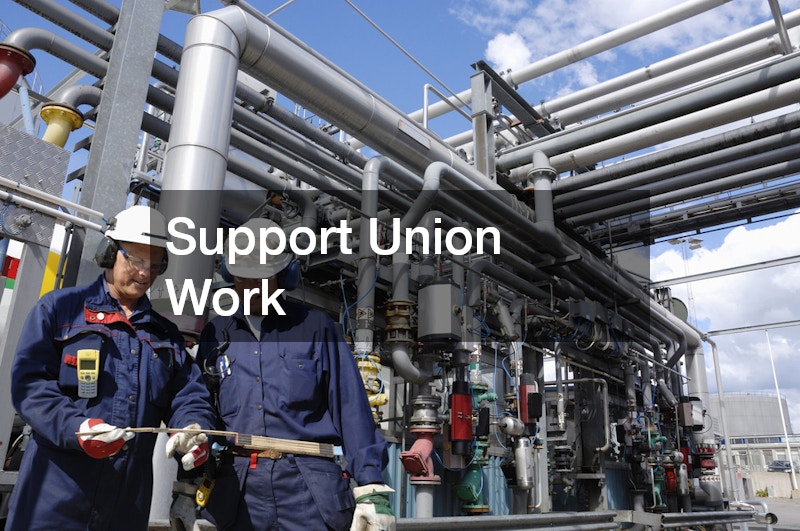
Industrial construction unions rely on vehicles to coordinate workforce deployment, transport tools, and ensure members can reach distant job sites. Vehicles help union representatives and supervisors manage personnel efficiently, distributing labor where it’s most needed while adhering to safety and labor standards. This logistical support is crucial for unions seeking to maintain productivity, uphold regulations, and protect workers’ interests.
In practice, union vehicles are often used to transport specialized crews, safety equipment, and heavy machinery to various industrial sites. By efficiently moving members and materials, unions can respond quickly to project demands, minimize idle time, and maintain strong communication between offices and worksites. Vehicles are therefore an essential component of successful union operations, supporting both workforce management and project efficiency.
Deliver Bail Help
Bail bond services rely heavily on vehicles to respond promptly to clients and coordinate with legal authorities. The ability to reach clients quickly can make a significant difference in ensuring timely release and effective service. Vehicles provide the mobility necessary for agents to cover large areas efficiently, enabling them to meet urgent demands while maintaining professional reliability.
Specifically, bail bond vehicles are often equipped for rapid response, allowing agents to travel to jails, courthouses, or clients’ residences as situations arise. These vehicles also carry essential paperwork, collateral, and communication devices to ensure smooth operations. By integrating reliable transportation into daily operations, bail bond services can uphold their commitment to speed, accuracy, and client support.
Manage Bookkeeping

Bookkeeping services often require mobility to meet with clients, deliver reports, and manage financial documentation. Vehicles allow accountants to visit multiple clients efficiently, transport physical records, and provide on-site support when digital access is insufficient. In an industry where precision and timeliness are critical, reliable transportation ensures that financial operations continue without interruption.
On a more specific level, vehicles enable bookkeeping professionals to carry essential equipment such as laptops, printers, and filing materials to client sites. This flexibility allows accountants to provide comprehensive financial services across multiple locations, maintaining accuracy and efficiency. Vehicles thus serve as a critical tool for bookkeeping services, supporting client communication and the timely completion of financial tasks.
Distribute Propane
Local propane delivery businesses depend on vehicles to transport fuel safely and efficiently to residential and commercial customers. Vehicles ensure timely deliveries, reduce downtime, and maintain the safety standards required for handling flammable materials. In this way, vehicles are central to the operational success and customer satisfaction of propane providers.
Specifically, delivery trucks are designed to handle pressurized propane safely, equipped with secure storage and safety systems. Drivers follow precise routes to meet client needs, ensure prompt service, and maintain compliance with safety regulations. By integrating vehicles effectively into distribution operations, propane businesses can deliver essential fuel reliably while keeping employees and customers safe.
Haul Rebar Loads
Rebar fabrication is a labor-intensive process that produces critical materials for construction projects. Vehicles are essential for transporting heavy steel components from fabrication facilities to job sites, ensuring that projects remain on schedule and materials arrive in good condition. Properly equipped trucks allow for safe and efficient delivery, which is essential for structural integrity and construction safety.
On a more specific level, rebar delivery often involves flatbed trucks and specialized lifting equipment to load, secure, and unload steel materials at construction sites. Timely and organized transport ensures that crews have access to the rebar needed for concrete reinforcement and structural support. Vehicles play a critical role in connecting fabrication operations with construction projects, supporting both efficiency and safety across the industry.
Vehicles are the unifying element that keeps a wide array of industries moving efficiently, from construction and industrial services to legal and financial operations. They ensure that essential materials, skilled personnel, and critical services reach their destinations on time, reducing delays and improving overall productivity. Across sectors, vehicles serve as a logistical backbone that enables industries to meet demands, maintain safety, and uphold quality standards in every project or service they deliver.
In construction, vehicles support the delivery of everyday essentials like skin adhesive tape, ensuring crews have the tools and materials they need to complete projects safely and efficiently. Vehicles also facilitate welder training programs, allowing instructors, trainees, and equipment to reach multiple sites and provide hands-on education without disruption. Similarly, commercial asphalt contractors rely on vehicles to transport hot asphalt, machinery, and crew members to maintain continuous paving operations, while rebar fabrication operations depend on trucks and specialized transport to deliver heavy steel materials safely to construction sites.
Beyond construction, vehicles are just as critical in professional services. Bankruptcy lawyers utilize reliable transportation to meet clients, attend court hearings, and deliver important documents, ensuring that legal support remains accessible and timely. Industrial construction unions leverage vehicles to deploy personnel and tools efficiently, strengthening workforce management and project outcomes. Bail bond services, meanwhile, rely on vehicles to respond promptly to clients, coordinate with legal authorities, and ensure timely release procedures. Bookkeeping services use vehicles to manage client records and deliver financial reports efficiently, while local propane providers rely on delivery trucks to distribute fuel safely and on schedule.
Across all these examples, the importance of vehicles extends beyond mere transportation. They enable industries to operate seamlessly, respond to urgent demands, and maintain the high standards required in modern business. Whether transporting materials like skin adhesive tape, moving personnel for welder training, delivering asphalt for commercial projects, or distributing propane to homes, vehicles are central to operational success. They allow industries to integrate logistics, workforce management, and client services into cohesive systems that maximize efficiency and minimize delays.
By examining these diverse applications, it becomes clear that vehicles are not just tools—they are essential enablers of industrial, construction, and service-sector success. From transporting supplies and equipment to supporting skilled labor and delivering critical services, vehicles provide the mobility that ensures industries can function efficiently, safely, and reliably. Their role in facilitating coordination, productivity, and responsiveness underscores the interconnectedness of transportation and operational excellence.
Ultimately, rolling through industries demonstrates that vehicles are the lifeline that keeps businesses moving forward. Across construction, law, and industrial services, their influence touches every aspect of operations, ensuring materials are delivered, professionals reach their destinations, and services are executed with precision. By recognizing the value of vehicles in these sectors, businesses can better optimize logistics, improve productivity, and maintain the high standards necessary for success in today’s fast-paced industrial and service environments.
